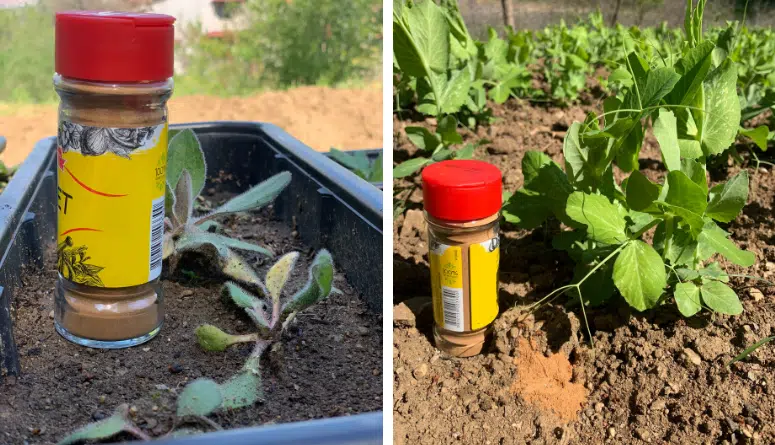
Cinnamon isn’t just a fragrant spice for your kitchen—it’s also a secret weapon for your garden.
Packed with natural compounds that promote growth and protect plants, cinnamon offers an eco-friendly and cost-effective way to care for your greenery.
Here are six compelling reasons why your plants will thrive with the help of cinnamon, and how to use it effectively in your garden.
1. Cinnamon as a Natural Fungicide
Fungal infections can wreak havoc on your plants, especially seedlings and houseplants. Cinnamon contains natural antifungal properties that:
- Prevent fungal diseases such as damping-off, which kills seedlings.
- Protect roots and stems from mold and mildew.
- Reduce the spread of fungal spores in the soil.
How to Use:
Sprinkle a light dusting of cinnamon powder on the soil surface or directly on affected areas. For seedlings, add cinnamon to the planting tray to prevent fungal growth.
2. Repels Pests Naturally
Cinnamon is an effective natural deterrent for common garden pests. Its strong scent confuses insects and keeps them away from your plants. Pests such as ants, gnats, and aphids dislike cinnamon, making it a safer alternative to chemical pesticides.
How to Use:
- Sprinkle cinnamon around the base of plants to deter ants and crawling insects.
- For indoor plants, mix cinnamon with water to create a spray and apply it to leaves and stems to keep bugs at bay.
3. Prevents Root Rot
Root rot is a common problem caused by overwatering and poor drainage. Cinnamon’s antifungal properties help:
- Prevent the growth of harmful fungi in waterlogged soil.
- Protect the roots from decay and promote healthier root systems.
How to Use:
Dust cinnamon on the roots before planting or replanting. For potted plants, mix cinnamon with the potting soil to enhance its protective effect.
4. Speeds Up Healing of Plant Wounds
Accidental cuts, broken stems, or pruning wounds can make plants susceptible to infections. Cinnamon acts as a natural antiseptic, sealing wounds and preventing pathogens from entering.
How to Use:
Sprinkle cinnamon directly on the wound or damaged area after pruning or if a stem breaks. This will speed up the healing process and protect the plant from infections.
5. Encourages Rooting in Cuttings
For gardeners propagating plants, cinnamon is a game-changer. It works as a natural rooting agent by:
- Stimulating root growth in cuttings.
- Protecting cuttings from fungal infections during the rooting process.
How to Use:
Dip the cut end of a plant cutting into cinnamon powder before placing it in soil or water. This will boost root development and protect the cutting as it grows.
6. Keeps Mushrooms Out of the Garden
Mushrooms may not harm plants directly, but they can compete for nutrients and create unsightly patches in your garden. Cinnamon inhibits the growth of mushrooms without damaging your plants.
How to Use:
Sprinkle cinnamon around the affected area to prevent mushrooms from spreading. Reapply after heavy rain or watering.
Bonus Tip: Cinnamon in Compost
Adding cinnamon to your compost can help control odors and reduce fungal growth in the pile, making it an excellent addition to your composting routine.
Cinnamon is a versatile, natural solution for many common gardening problems.
Whether you’re protecting seedlings from fungi, repelling pests, or promoting healthy root growth, this humble spice can do wonders for your plants.
Best of all, it’s an affordable and eco-friendly alternative to chemical treatments.